Aggressive collection provisions within the Tax Administration Act 28 of 2011 (TAA)
Meta Description: Discover why the 2025 landmark case of Greyvensteyn v SARS matters in 2026. Explore key takeaways on third-party tax liability, the TAA, and PAJA reviews.
Why Andries Greyvensteyn v SARS Matters in 2026 – Key Takeaways for South African Lawyers
Welcome back to Legal Larry’s official blog. As we navigate the evolving landscape of South African tax law in 2026, the balance of power between the South African Revenue Service (SARS) and the constitutional rights of taxpayers remains a hotly contested arena.
If there is one recent judgment every tax practitioner and commercial litigator needs in their arsenal, it is the February 2025 High Court decision in Andries Greyvensteyn v The Commissioner for the South African Revenue Service and Others.
Here is a breakdown of the case, the court’s reasoning, and why it continues to shape our legal strategies today.
The Facts and the Key Legal Issue
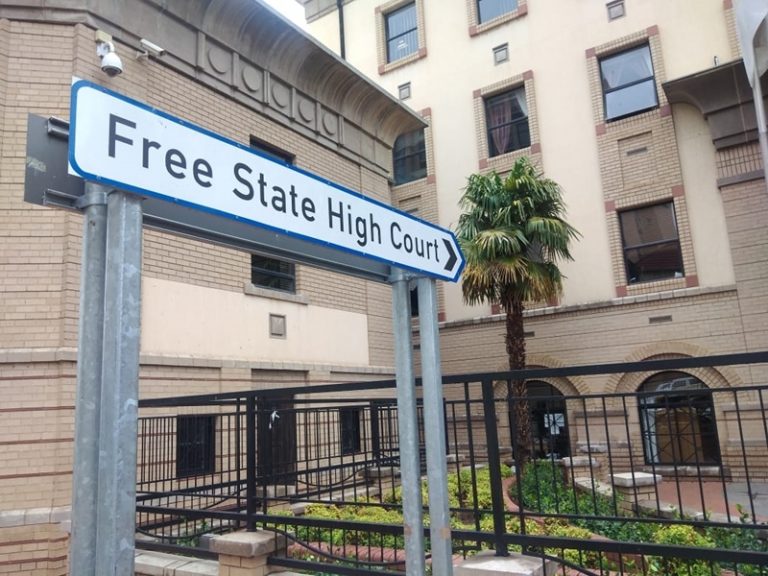
The case centered on a constitutional challenge brought by Andries Greyvensteyn against specific, aggressive collection provisions within the Tax Administration Act 28 of 2011 (TAA). SARS had invoked its powers to hold Greyvensteyn liable as a third party for the tax debts of Gold Kid Trading (Pty) Ltd.
Greyvensteyn approached the Gauteng Division of the High Court in Pretoria, arguing that key sections of the TAA were unconstitutional:
- Sections 180 and 184(2): He argued that by allowing SARS to unilaterally determine third-party liability for a taxpayer’s debt, the TAA ousted the court’s jurisdiction, thereby violating the Section 34 constitutional right of access to courts.
- Section 186(3): He contended that this section, which allows SARS to secure repatriation orders and impose travel restrictions, unlawfully infringed upon his constitutional right to freedom of movement (Section 21) and freedom of trade (Section 22).
The Ratio Decidendi (Court’s Reasoning)
The High Court delivered a masterclass in balancing administrative power with constitutional safeguards.
Regarding Sections 180 and 184(2), the court rejected the argument that Section 34 of the Constitution was infringed. The ratio here is crucial: SARS’s determination of third-party liability constitutes an administrative action. Therefore, it is subject to substantive judicial review under the Promotion of Administrative Justice Act (PAJA). Because a court can review and set aside SARS’s decision under PAJA, the court remains the ultimate arbiter, meaning its jurisdiction is never ousted.
Addressing Section 186(3), the court acknowledged that repatriation orders and travel restrictions do infringe on the rights to freedom of movement and trade. However, the court found this limitation to be reasonable and justifiable under Section 36 of the Constitution. The limitation serves a vital public interest: ensuring effective tax collection and preventing the dissipation of assets. Furthermore, the court noted that sufficient safeguards exist, namely the court’s own discretion in granting such orders and the appointment of a curator bonis to oversee the assets.
The Outcome
The constitutional challenge failed. The application was dismissed with costs, including the punitive costs of four counsel on scale C. Sections 180, 184(2), and 186(3) of the Tax Administration Act were declared constitutionally valid.
Read the full judgment here: Andries Greyvensteyn v SARS et al. (PDF)
Why This Case Matters in 2026
As we move through 2026, SARS has become increasingly sophisticated and aggressive in pursuing offshore assets and piercing the corporate veil to hold directors, managers, and third parties personally liable for company tax debts.
Greyvensteyn matters today because it firmly shut the door on using direct constitutional challenges to delay or defeat SARS’s collection mechanisms under these sections of the TAA. It cemented SARS’s statutory arsenal, confirming that the revenue service possesses the lawful teeth to restrict travel and force the repatriation of foreign assets to satisfy local tax debts. For lawyers, it clarifies exactly which legal avenues are closed, and which remain open.
Practical Takeaways for Lawyers
To effectively advise and defend your clients in 2026, keep these key takeaways from Greyvensteyn in mind:
- Pivot to PAJA: Do not waste your client’s money challenging the constitutionality of SARS’s power to determine third-party liability. Instead, attack the merits of the decision. Because the court classified this as administrative action, your primary weapon is a judicial review under PAJA. Focus on proving that SARS’s decision was procedurally unfair, irrational, or based on an error of law.
- Warn Clients About Flight Risks: Clients with significant tax exposure and offshore assets must be warned that SARS can—and constitutionally will—restrict their travel and force the repatriation of assets. Section 186(3) is valid law.
- Focus on the Safeguards: When fighting a repatriation order, direct your litigation strategy at the court’s discretion. Argue why, on the specific facts of your case, granting the order would be disproportionate, or advocate for strict terms regarding the appointment and mandate of the curator bonis.
- Beware of Punitive Costs: The court awarded costs for four counsel on scale C. Unmeritorious constitutional challenges against the TAA carry severe financial risks. Advise your clients accordingly before launching high-stakes constitutional litigation against the Commissioner.
Stay tuned to Legal Larry for more insights into South Africa’s evolving tax jurisprudence.
Need to research or draft court pleadings on this topic?
Legal Larry searches across 43,362 authentic South African judgments, Uniform Rules of Court, Practice Directives, and Magisterial jurisdictions in under 2 seconds. Export court-ready Word documents and Rule 70 fee sheets instantly.